Wake the Tiger
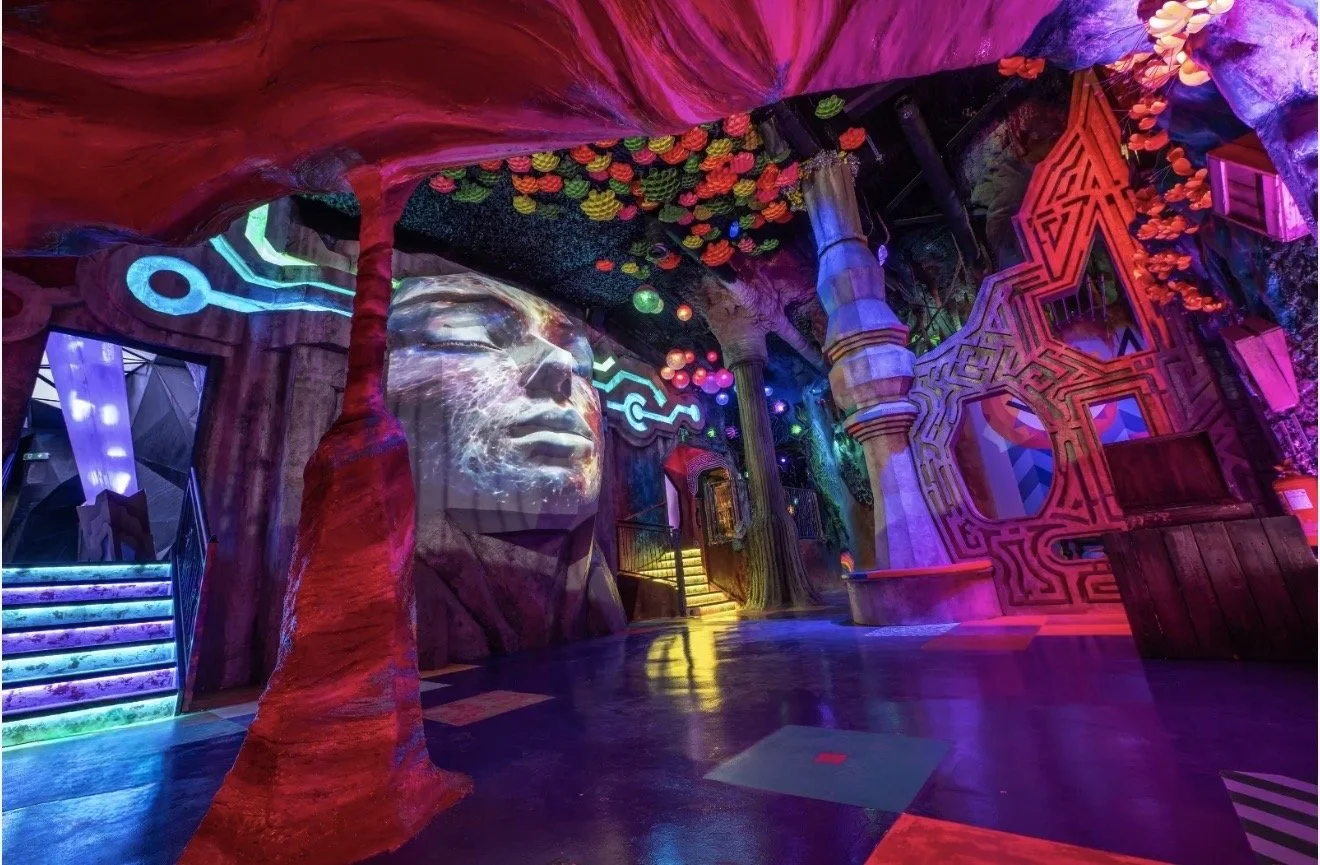
There are places we visit, and there are places that quietly rearrange us. Hidden inside an unassuming former paint factory in Bristol is one such place — a portal not just into colour and sound, but into curiosity itself. Wake The Tiger calls itself the UK’s largest immersive art experience and the world’s first Amazement Park®, yet the truth of it feels far more personal than any title suggests. It is less an attraction and more a conversation with your own imagination.
You enter through the ordinary and, almost without noticing, slip into the impossible.
The Dream Factory and the Geography of Awe
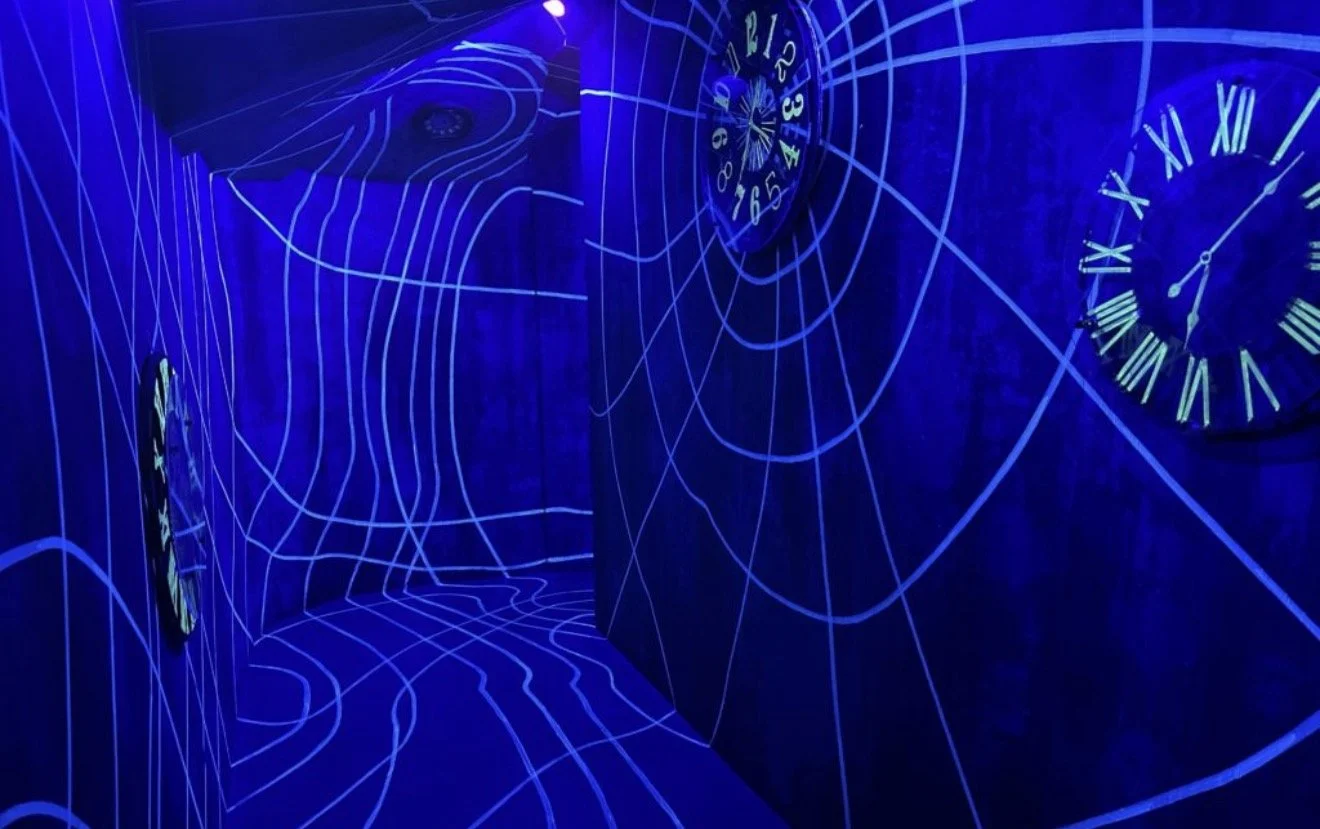
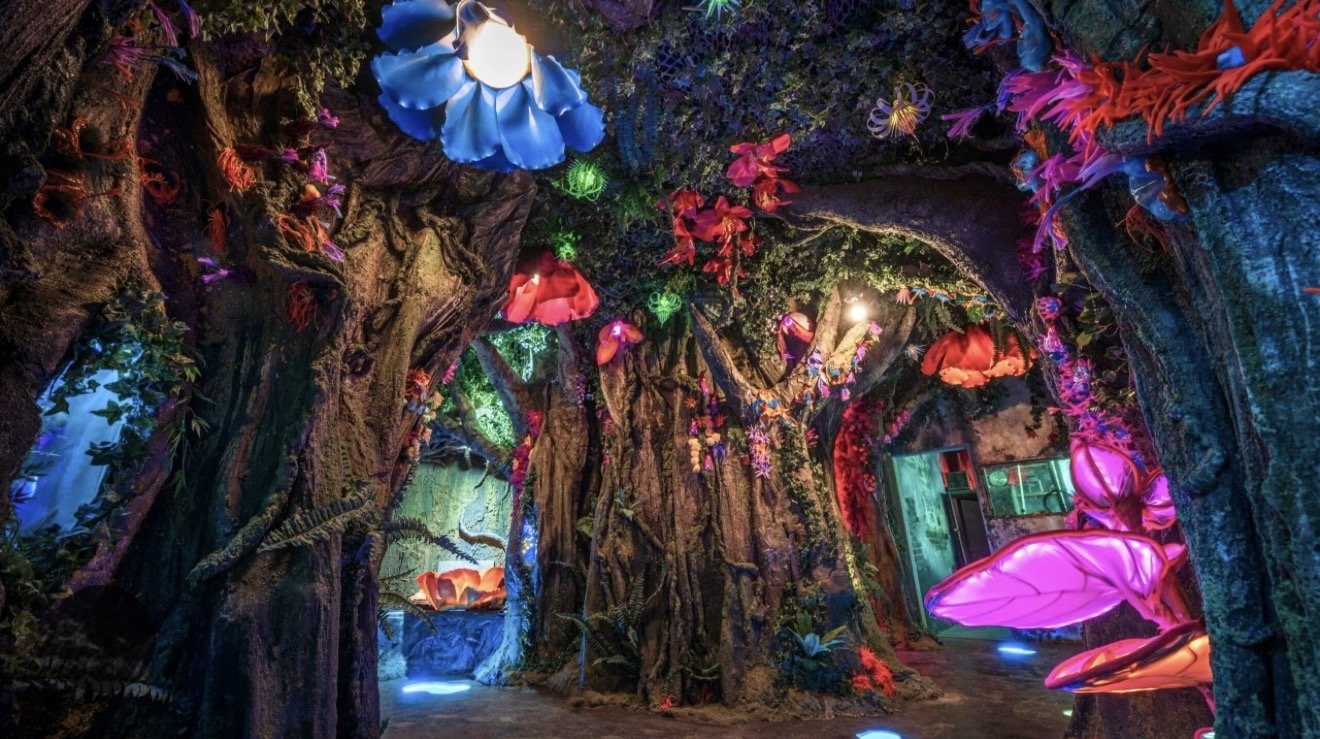
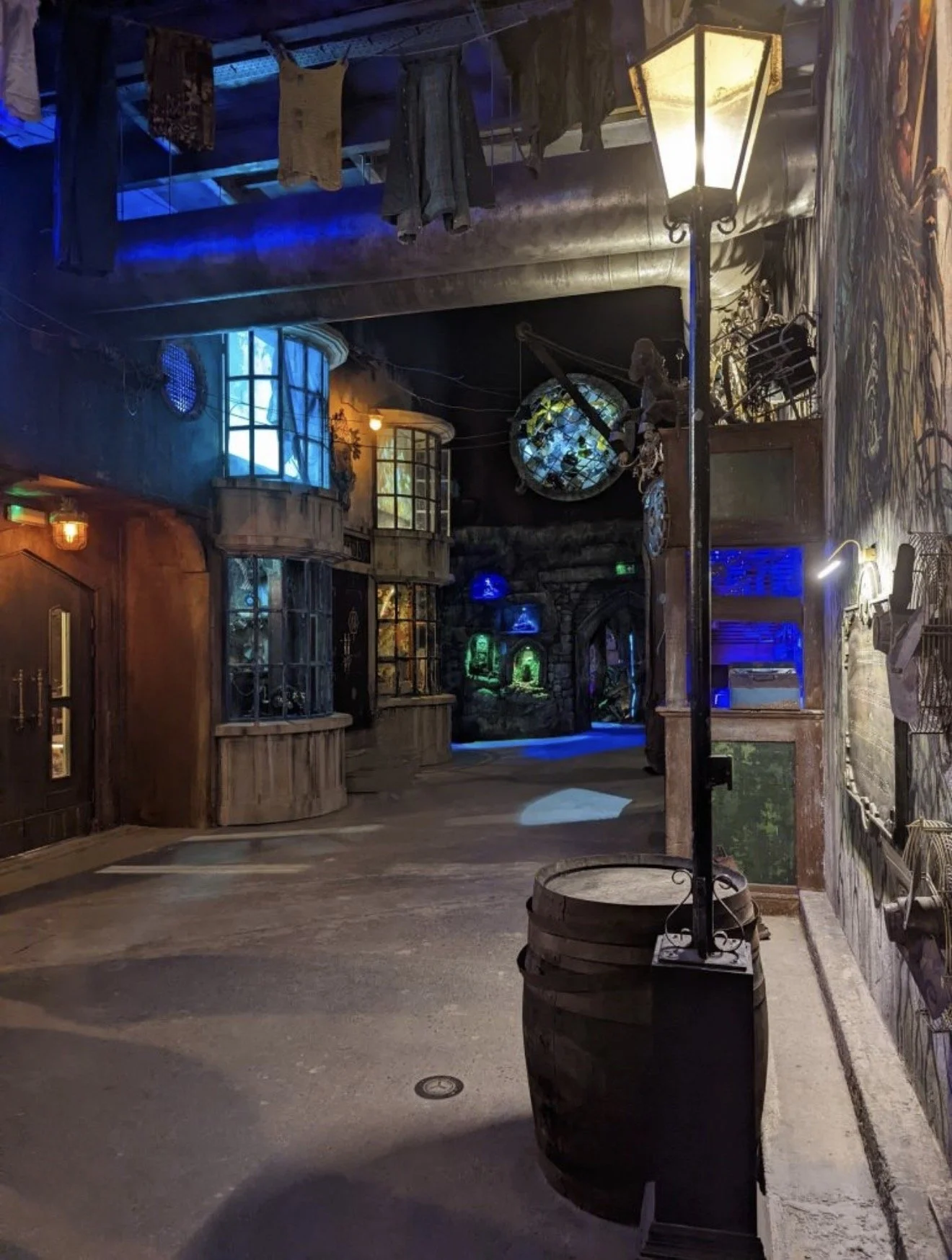
The journey begins in a space that still carries the ghost of industry — raw, familiar, grounded. Then something shifts. Corridors become stories. Walls breathe with light. Doorways invite you to choose not just a direction, but a mood.
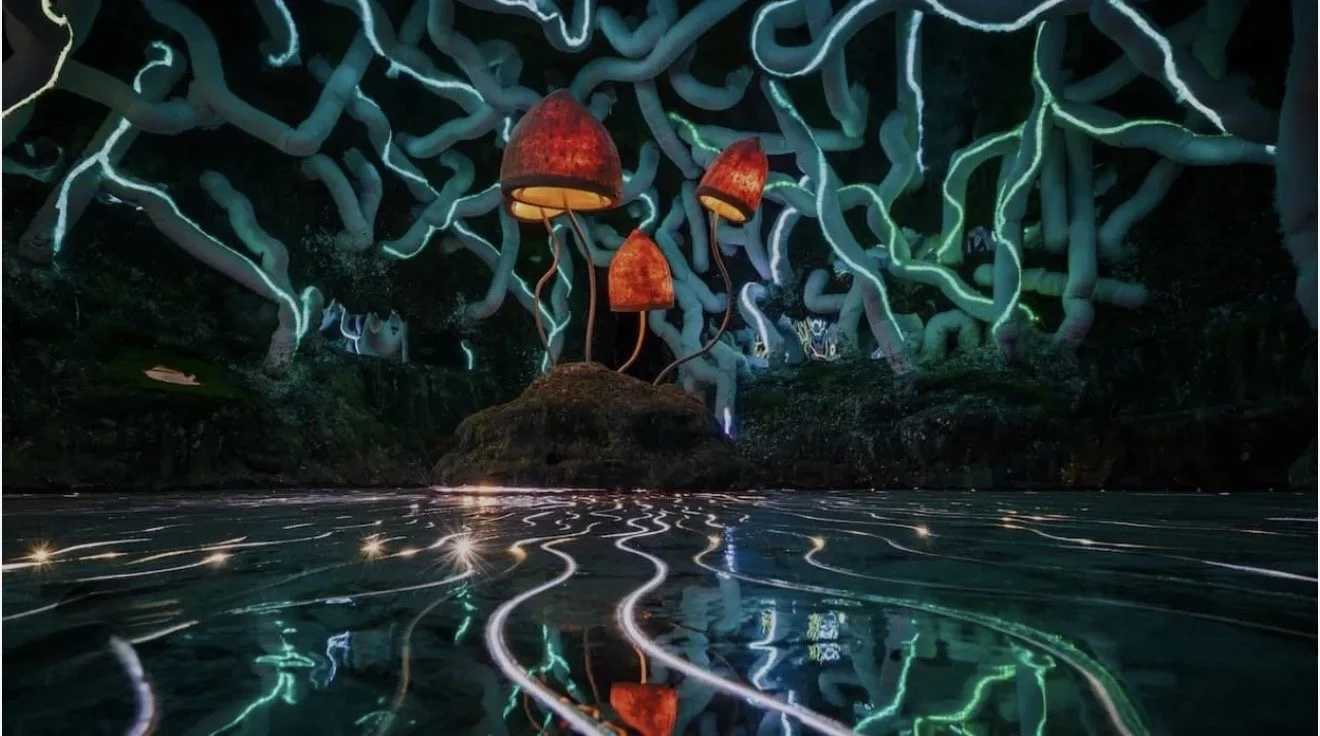
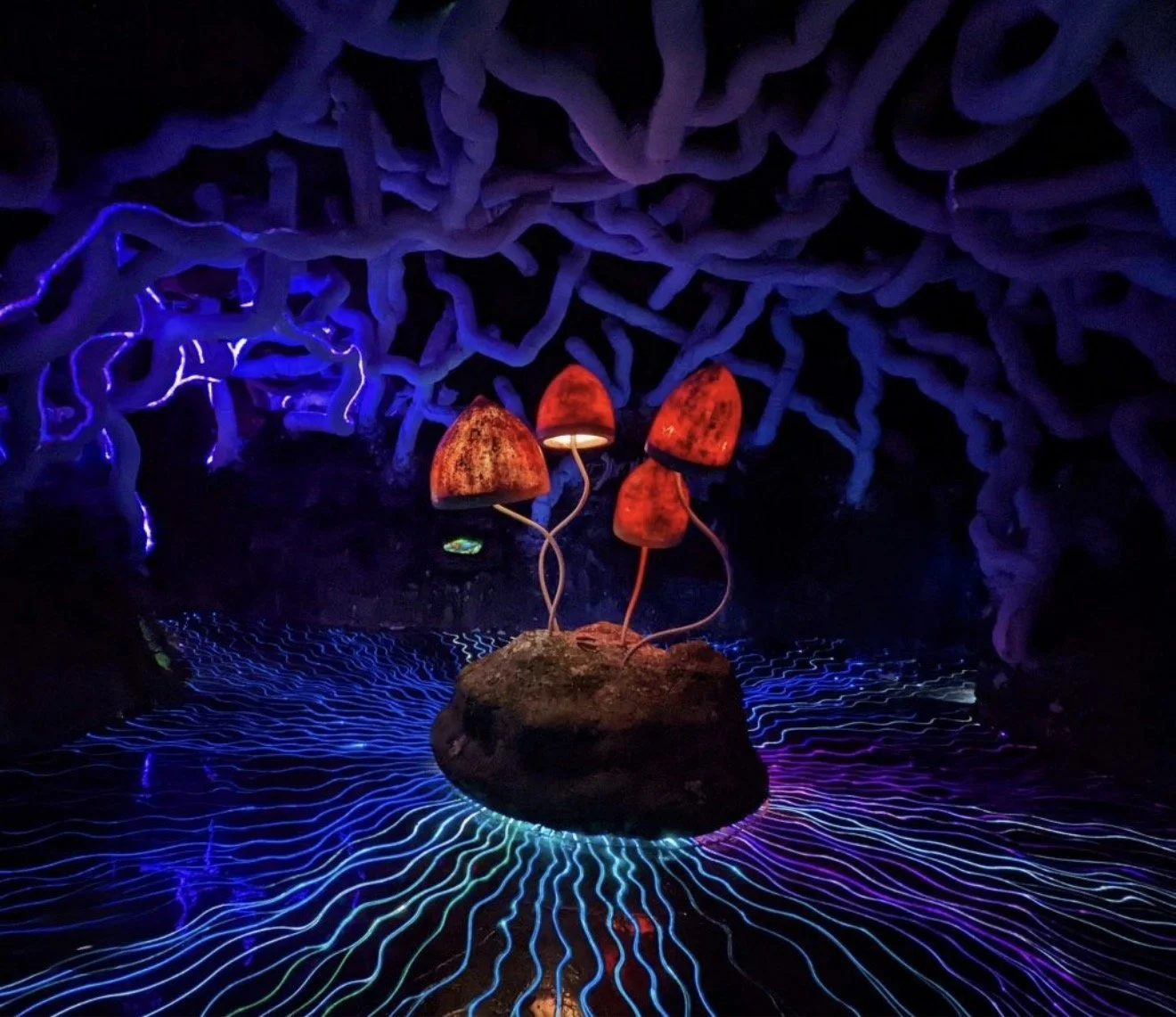
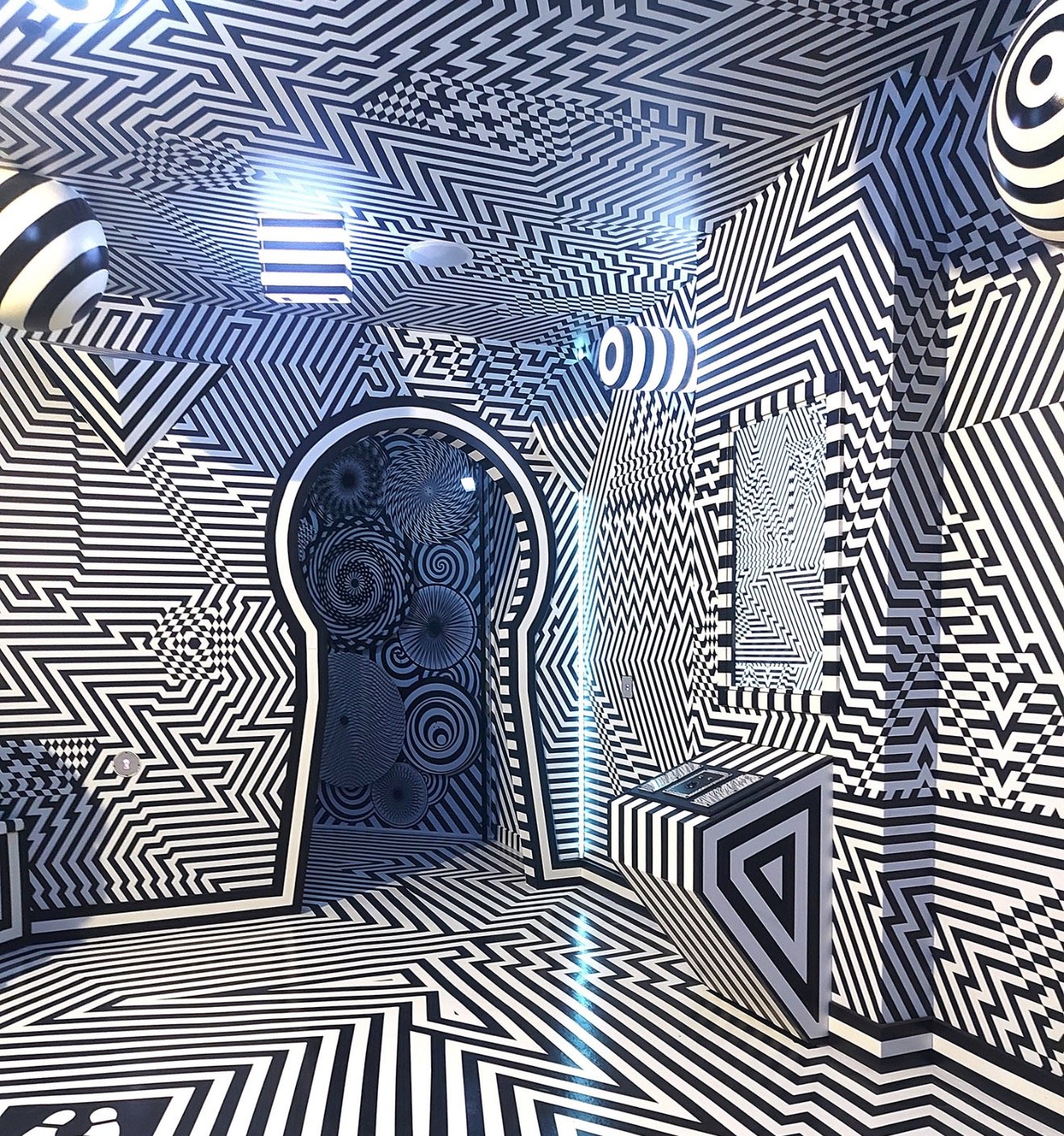
The Dream Factory unfolds like a lucid dream you don’t want to wake from. Each of the 40-plus rooms is a small universe: tactile, playful, sometimes surreal, sometimes unexpectedly tender. You’re not told how to experience them. You are trusted to wander, to touch, to listen, to linger.
And that is the quiet revolution of this place: in a world that so often tells us to look but not touch, to move along, to consume quickly — here you are allowed to explore slowly.
Children move through it instinctively, hands outstretched, eyes wide. Adults follow more cautiously at first, as though remembering a language they once spoke fluently.
Eventually, you reach the OUTERverse — and by then you realise the name is not about distance, but expansion. Something in you has opened.
The Café as a Gentle Return to Earth
After such sensory flight, the grounding warmth of the on-site café feels almost ceremonial. At Junktion Café Bar, time softens again.
Handcrafted coffee, fresh lunches, and those famously indulgent double puc cookies arrive not just as food, but as reassurance — a reminder that nourishment can be as thoughtful as art. The commitment to seasonal, locally sourced ingredients echoes the ethos of the experience itself: creativity with care, imagination with responsibility.
For adults, there’s even the quiet delight of the Wake The Tiger Guild Gin, created with Bristol’s own
Psychopomp — a small, celebratory note that wonder, too, can be sipped.
Taking a Piece of the Story Home
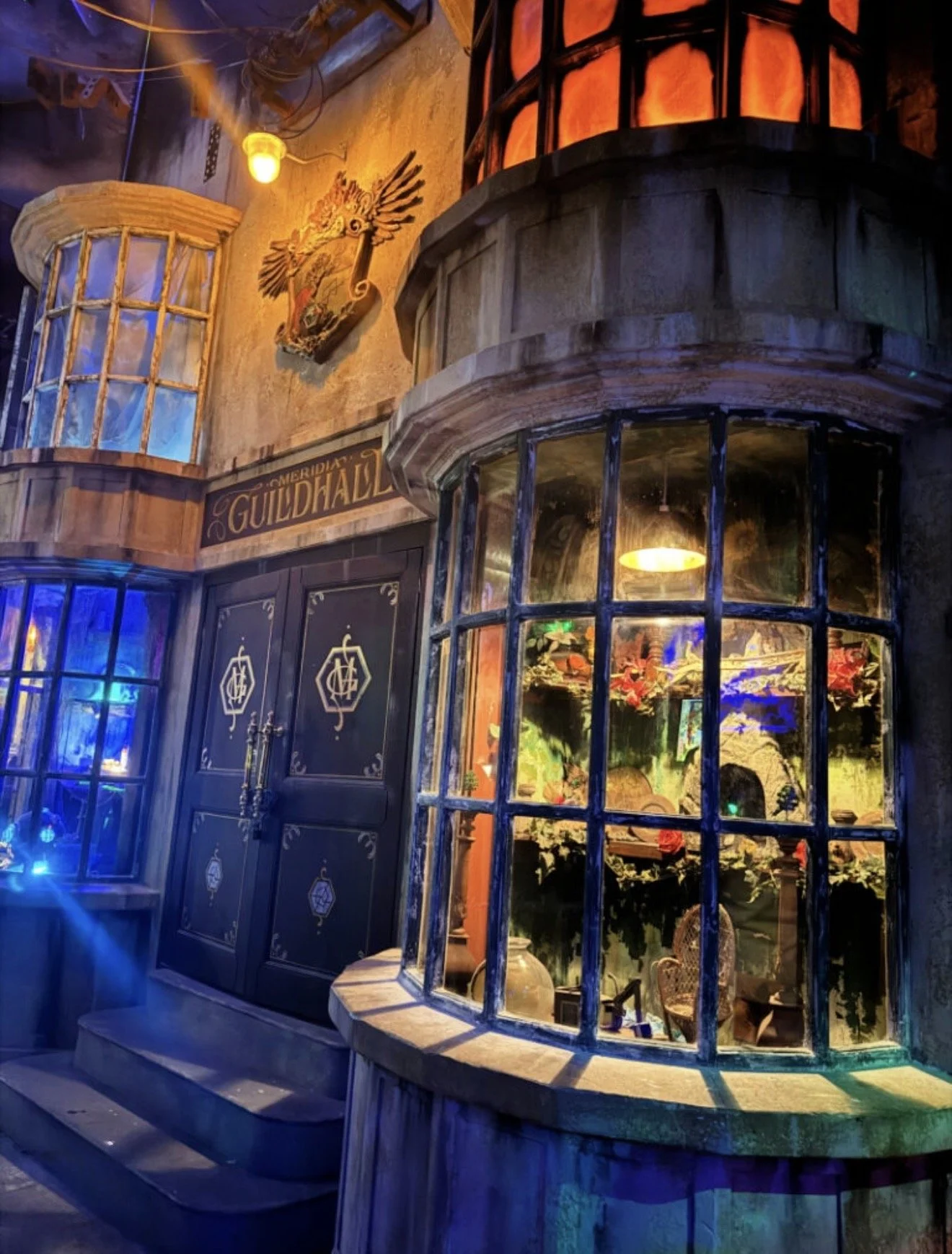
By the time you reach The Curiosity Shop, you are no longer browsing in the usual way. Objects feel different when you have just walked through a world built by artists, dreamers, and storytellers.
Here, the shelves hold more than souvenirs. They hold evidence that imagination is a communal act — books, artwork, clothing, and games created by independent makers whose ideas now travel with you.
You leave not just with a keepsake, but with a thread that connects your everyday life to the place you’ve just been.
A Space That Makes Room for Everyone
What makes Wake The Tiger deeply human is not only its visual brilliance, but its intention.
Accessibility here is not an afterthought — it is part of the design philosophy. The monthly Calm Sessions, with reduced sound, softer lighting, and fewer visitors, are a quiet declaration that wonder should not belong only to those comfortable in noise and crowds. They create space for neurodivergent visitors, for families, for anyone who needs a gentler rhythm.
In a culture that often equates inclusion with adaptation, this feels like something more radical: belonging by design.
Creativity With Consequence
The experience does not separate imagination from responsibility. Its B Corporation certification — a first for a UK visitor attraction — is not a badge to display but a framework for action. Waste reduction, ethical sourcing, and environmental storytelling are woven into the fabric of the place.
It reminds you that the future is not something we wait for. It is something we build — room by room, choice by choice.
For the Young — and the Young at Heart
Yes, it is one of the most remarkable family-friendly things to do in Bristol. Children will talk about it for weeks. Teenagers will find it strangely cool. Adults will pretend they are there for the kids and then realise they are not.
Because Wake The Tiger is not really about age. It is about permission — permission to be curious, to play, to feel awe without irony.
Leaving, But Not Quite
When you step back outside, the world looks the same. Traffic moves. Phones buzz. The sky is just the sky.
And yet, something has shifted.
You notice colours more. You walk more slowly. You wonder what might be hidden behind the next ordinary door.
That is the real OUTERverse — not a distant dimension, but a new way of seeing this one
Wake The Tiger is not simply a place you visit. It is a reminder that wonder is a practice — and that imagination, when given space, becomes a form of hope.